
Most car buyers focus on power, interior and space, yet overlook a vital factor: aerodynamics.
Simply put, vehicle aerodynamics determines how a car cuts through airflow while driving.
When moving at high speeds, air creates significant resistance. Higher resistance means more energy consumption.
For gasoline cars: higher wind resistance leads to higher fuel consumption.
For EVs: higher wind resistance directly reduces driving range.
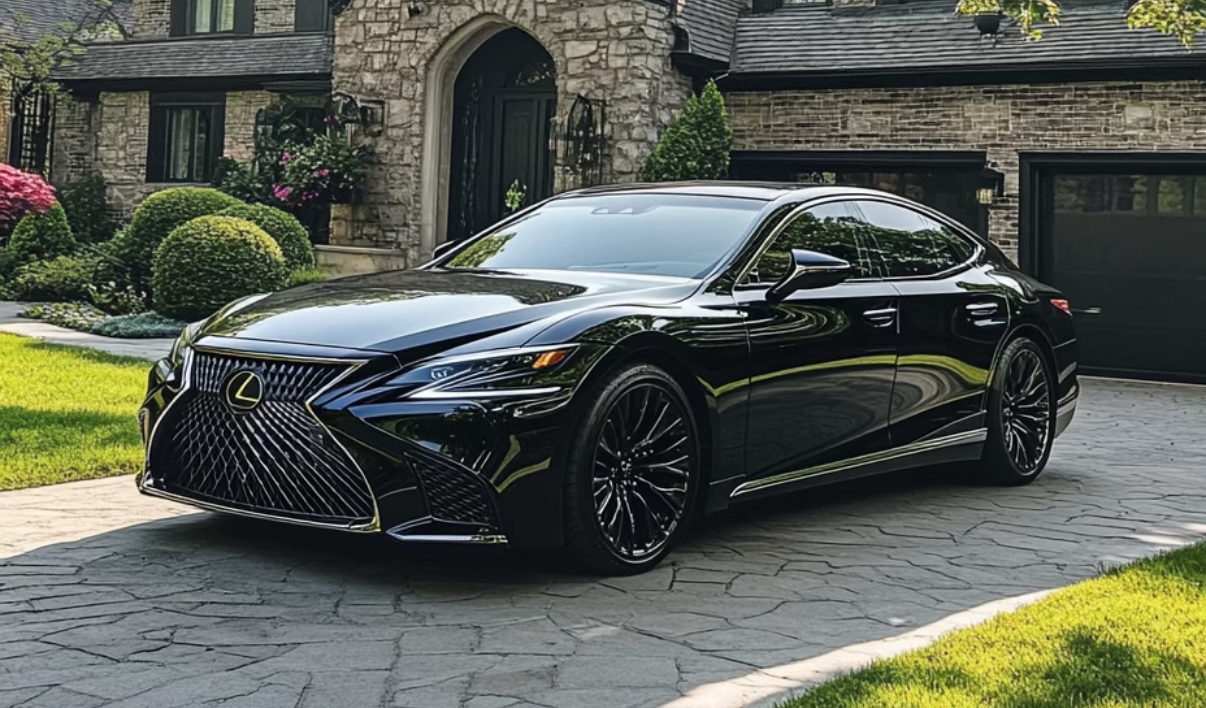
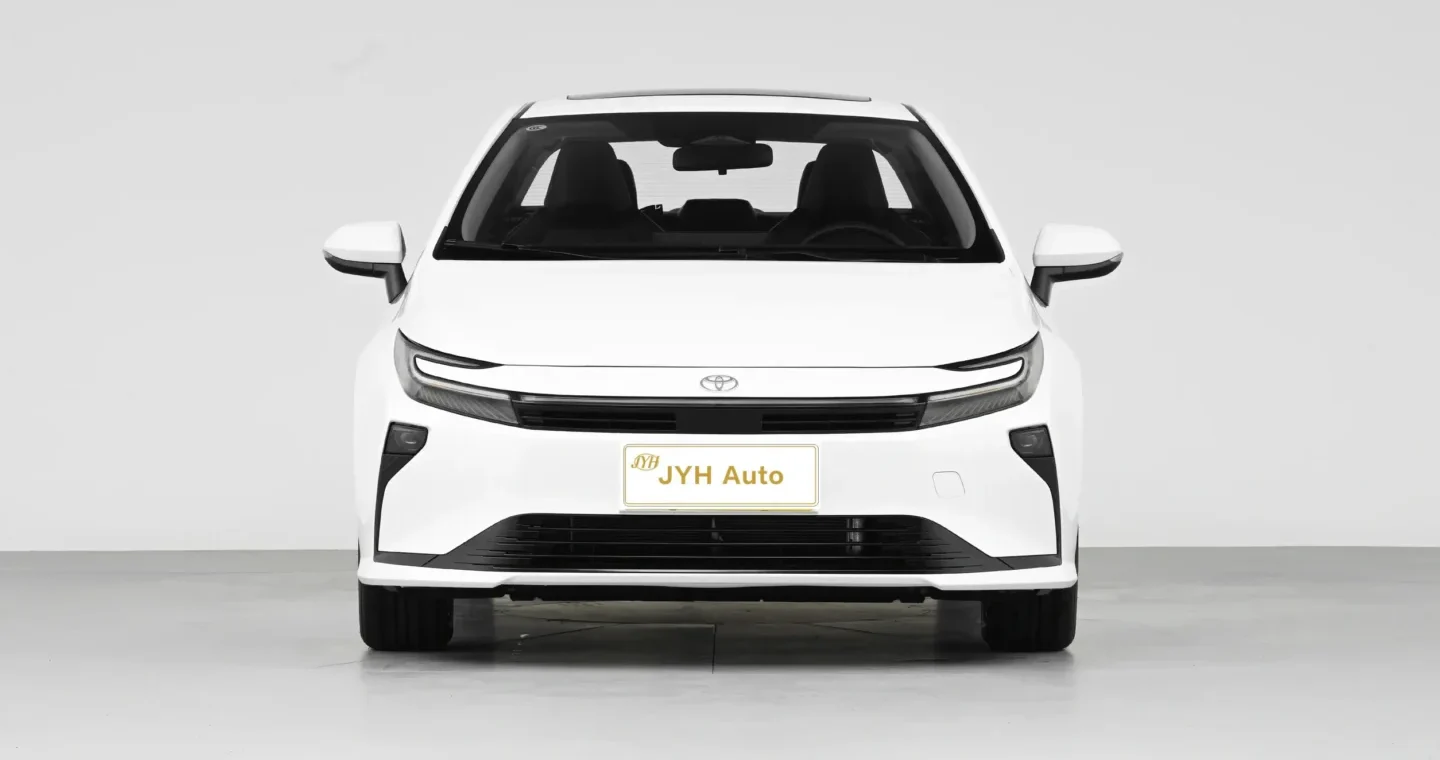
If you pay attention, old box-shaped vehicles usually have poor aerodynamic performance. Modern sedans and electric SUVs feature smoother profiles, lower hoods, hidden door handles, sealed front fascias and aerodynamic wheels. These features are not only for appearance.
Well-designed aerodynamics brings obvious advantages:
✅ Lower energy consumption, saving fuel or extending EV range
✅ Better vehicle stability and less wind noise at high speed
✅ Improved heat dissipation to keep powertrains working reliably
Still, compromises have to be made. Pickup trucks and off-road vehicles prioritize ground clearance and cargo capacity. Their boxy shapes naturally come with higher wind resistance. There is no universal perfect body shape. Manufacturers balance performance according to each model’s positioning.
In recent years, Chinese automakers attach great importance to wind tunnel tests during vehicle development. For sedans, urban SUVs and new energy vehicles, exterior details are continuously refined to balance aesthetics, interior space and aerodynamic efficiency.
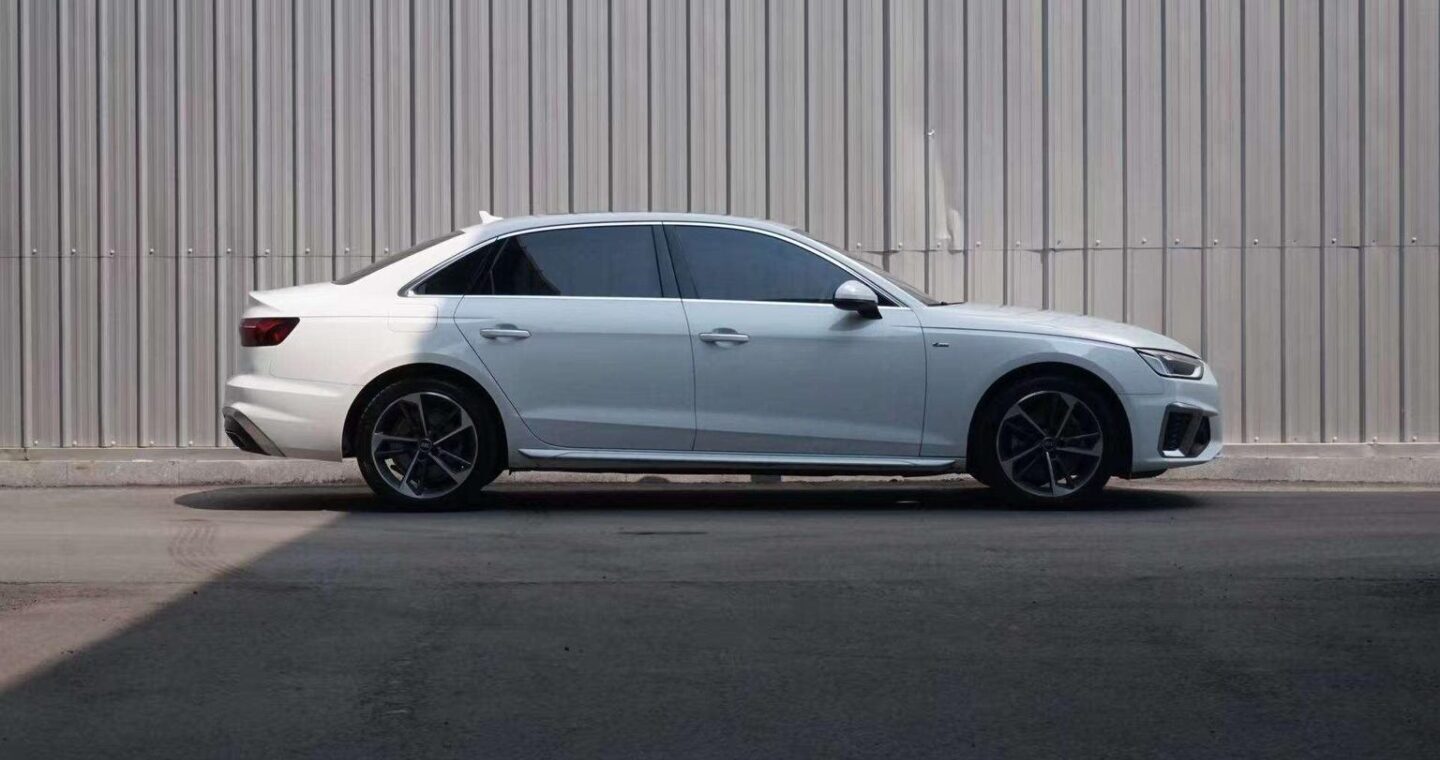
For individual drivers who frequently take highway trips, aerodynamic performance is worth checking when choosing your next car.
For auto dealers, understanding these engineering strengths helps you better introduce vehicle advantages to local customers.