
Most people judge a car only by its appearance. Few realize that every curve, grille and spoiler is shaped by automotive aerodynamics. Aerodynamics influences fuel consumption, driving stability, wind noise and even tire wear. It is useful knowledge for individual car buyers and overseas automotive dealers.

What is automotive aerodynamics
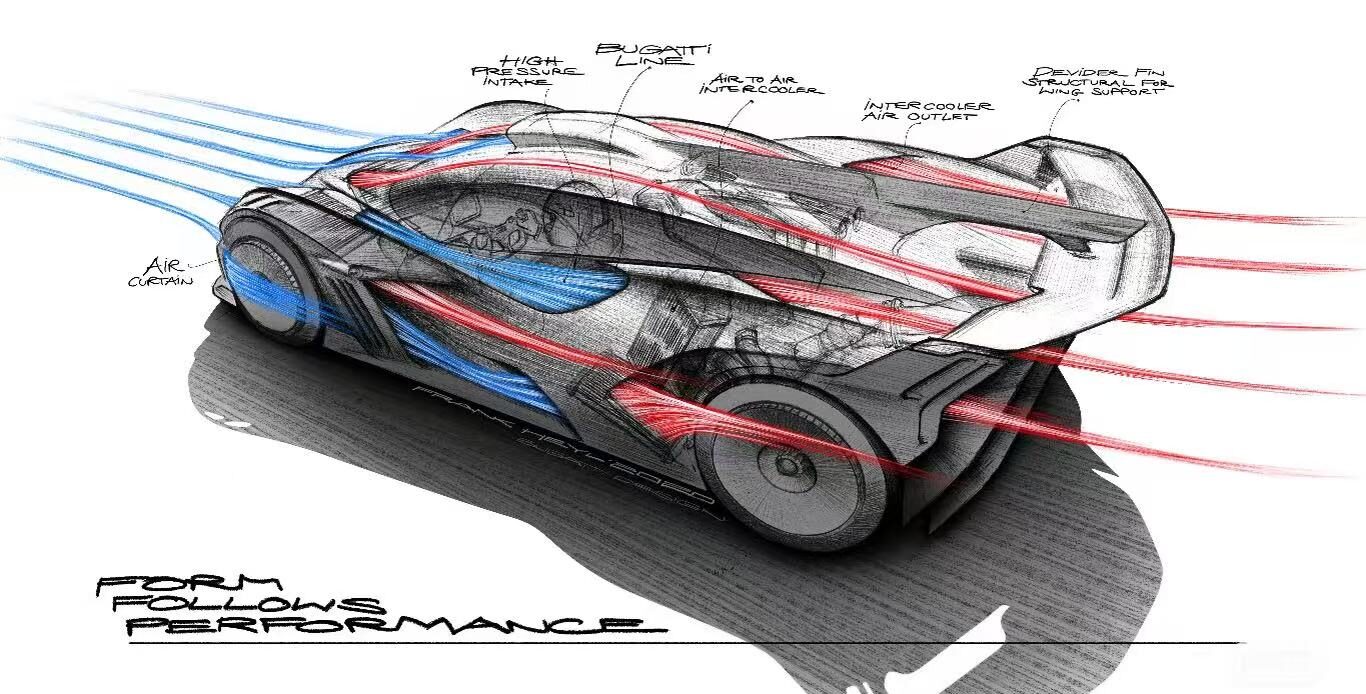
When a car moves forward, massive air flows hit the vehicle body. Aerodynamics studies how air flows around the car body. Engineers adjust body shape to reduce air resistance and use airflow to press the vehicle firmly onto the road surface.
Core term: Drag Coefficient
Drag coefficient shows how much air‑resistance a car generates.
- Lower Cd value = less air resistance.
- Reduced drag brings lower fuel or power consumption, quieter high‑speed driving.
Sedans normally have lower Cd than box‑shaped SUVs and pickup trucks. That is why sedans perform better for long‑distance highway cruising.
How aerodynamics affects real‑world driving
Energy consumption
High air resistance means the engine or motor must consume more energy to push the car forward. For EVs, poor aerodynamics will significantly cut real‑world driving range.
High‑speed stability
Good aerodynamic design creates down‑force. Down‑force presses tires onto road surface, improving grip when driving at high speed. Without proper down‑force, vehicles will feel light and unstable at high speeds.
Wind noise
Sharp edges, poorly‑designed side‑mirrors and gaps will create turbulent airflow, generating loud wind noise inside the cabin. Optimized shapes suppress turbulence and make cabin quieter.
Dust & dirt accumulation
Airflow also decides where dust, mud and rainwater flow. Well‑designed bodies reduce dirt splashing onto rear window and taillights.
Common aerodynamic parts you can see
Front splitter Guide airflow away from under‑carriage, reduce lift Rear spoiler / Wing Generate down‑force at high speed. Air curtains Direct air flow around wheels to cut turbulence. Underbody flat cover Smooth the airflow underneath the vehicle. Flush door handles Reduce protruding parts to lower drag.
Real‑world misconception “The lower the car, the better aerodynamics.”
This is not always true. Too low ground clearance will block airflow under the car and bring risk of chassis scraping. Manufacturers balance aerodynamics with practical road adaptability
Practical advice
For individual buyers If you often drive long‑distance highway routes: pay attention to aerodynamic performance. Vehicles with low drag coefficient deliver better energy efficiency and quieter ride at high speed.
If most driving happens on city roads at low speed, aerodynamic differences have limited real‑life impact. For overseas dealers When selecting models for your market:
Box‑style SUVs and pickups have higher drag. They excel at off‑road and cargo‑carrying scenarios, but consume more energy during highway travel.
Sleek sedans and modern EVs own aerodynamic advantages, suitable for markets with lots of highway driving.
Aerodynamics is not only for sports cars. It exists in every mass‑produced passenger car. Beautiful body lines are not purely for appearance; many shapes are compromises between aesthetics and airflow performance.