
Ro-Ro (Roll-on/Roll-off) shipping is the most mainstream, safest and most cost-effective logistics method for Chinese passenger cars, new energy vehicles and commercial vehicle exports worldwide. Different from container shipping, Ro-Ro vessels allow operable vehicles to drive on and off the ship directly without crane lifting, greatly avoiding scratches, deformation and exterior damage. It is the preferred solution for bulk vehicle export orders.
However, Ro-Ro port rules, loading standards and shipping compliance requirements are extremely strict. Improper operation may cause port rejection, shipment delay, cargo detention and customs clearance failure. With rich practical experience in bulk Ro-Ro vehicle export and global geo-compliance standards, Sichuan Jiayihao International Trade Co.,Ltd presents the complete standard Ro-Ro shipping process and key precautions for global auto dealers.
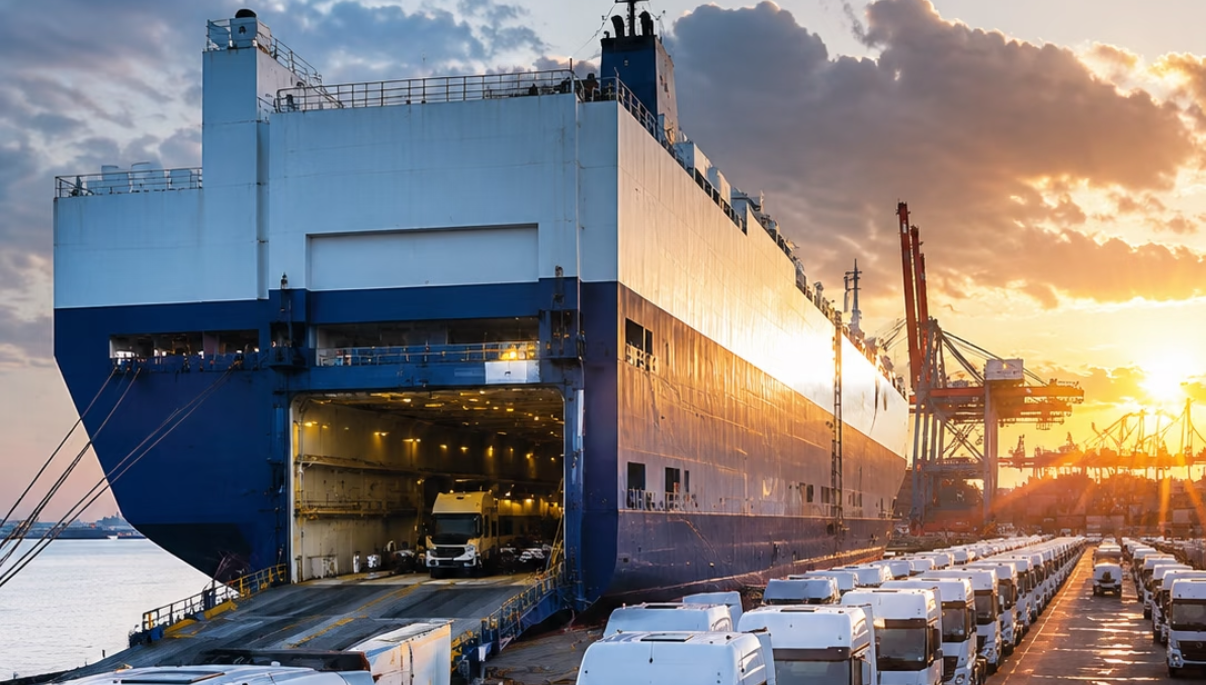
- What is Ro-Ro Vehicle Export Shipping
Ro-Ro (Roll-on/Roll-off) vessels are specialized marine carriers designed for self-driving vehicles. All vehicles enter and exit the cabin by their own power, without lifting, squeezing or closed-box damage.
Core Advantages:
- Zero lifting risk and minimum exterior damage rate;
- Large loading capacity and stable schedules for bulk vehicle exports;
- Lower logistics cost compared with container and frame box shipping;
- Ventilated cabin design ensures higher safety for new energy vehicles and fully complies with IMDG international marine standards.
- Complete Standard Ro-Ro Shipping Process
Step 1: Booking and Document Pre-review
Confirm vessel schedule, cutoff time and port closing time according to destination ports such as Annaba, Lagos, Jeddah and Ho Chi Minh. Submit VIN codes, vehicle models and quantities for carrier pre-audit to confirm loading eligibility. Lock stable cabin space to avoid peak-season shipment rejection.
Step 2: Vehicle Pre-inspection & Preparation
All export vehicles must meet official port entry standards:
- Clean exterior without soil, water stains or visible damage to pass global quarantine inspection;
- Maintain 25%–50% fuel level for normal starting and driving; avoid full fuel or insufficient fuel;
- New energy vehicles keep reasonable battery power without error alarms or leakage risks, complying with international battery shipping regulations;
- Remove all personal items and detachable accessories to prevent customs inspection risks;
- Ensure normal tire pressure, brakes and steering system for port entry.
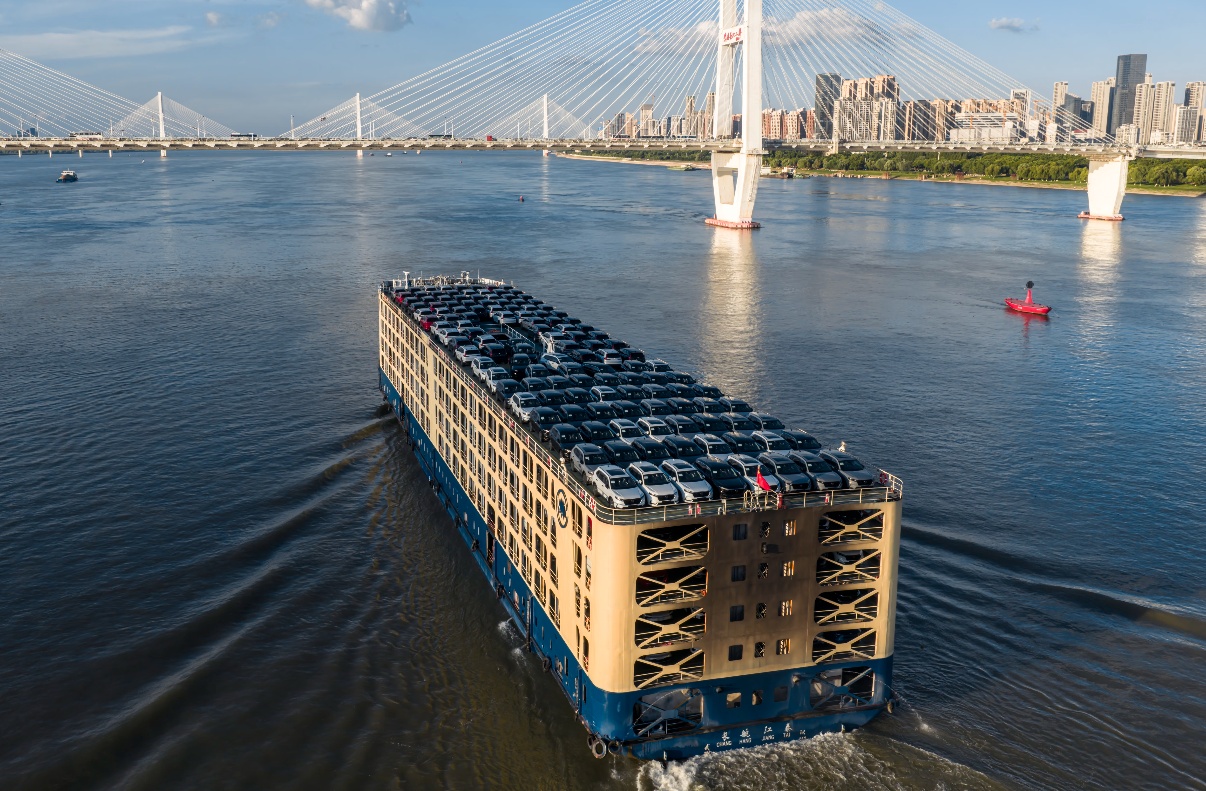
Step 3: Customs Declaration & Document Verification
Complete official export customs declaration with full compliant documents including invoices, packing lists, vehicle certification and certificates of origin. Sichuan Jiayihao International Trade Co.,Ltd ensures 100% consistency between VIN information and document data to avoid customs rejection.
Step 4: Inland Trucking & Port Gate-in Inspection
Qualified flatbed trucks deliver vehicles to Ro-Ro terminals. Port officers conduct exterior inspection, VIN verification, mileage recording and key filing before vehicles enter the waiting area.
Step 5: Professional Loading & Lashing
Professional terminal drivers park vehicles in standard cabin zones. All units are firmly fixed with professional straps, tire stoppers and locking buckles according to vehicle weight, preventing displacement and collision during ocean voyages.
Step 6: Sailing & Full Tracking
After loading completion, the carrier issues official bill of lading. We track the whole process including departure, navigation, transshipment and arrival for full traceability.
Step 7: Destination Unloading & Handover
Vehicles drive off the vessel safely after arrival. Overseas buyers complete customs clearance, tariff payment and vehicle pickup with original BL documents, ensuring perfect vehicle condition.
- Critical Ro-Ro Shipping Precautions & Risk Avoidance
3.1 Vehicle Condition Rules
Faulty vehicles, non-startable units and illegally modified vehicles are prohibited from standard Ro-Ro loading. Dirty vehicles with soil or plant residues will trigger international quarantine return risks. All personal belongings must be removed to avoid loss or customs detention.
3.2 Strict Port Cutoff Time
Ro-Ro terminals enforce strict closing schedules. Late delivery will result in missed voyages, high demurrage fees, storage charges and rescheduling losses.
3.3 Special NEV Shipping Standards
New energy vehicles are classified as special marine cargoes. Professional battery safety review and compliant declaration are mandatory to prevent thermal runaway risks during long-distance shipping.
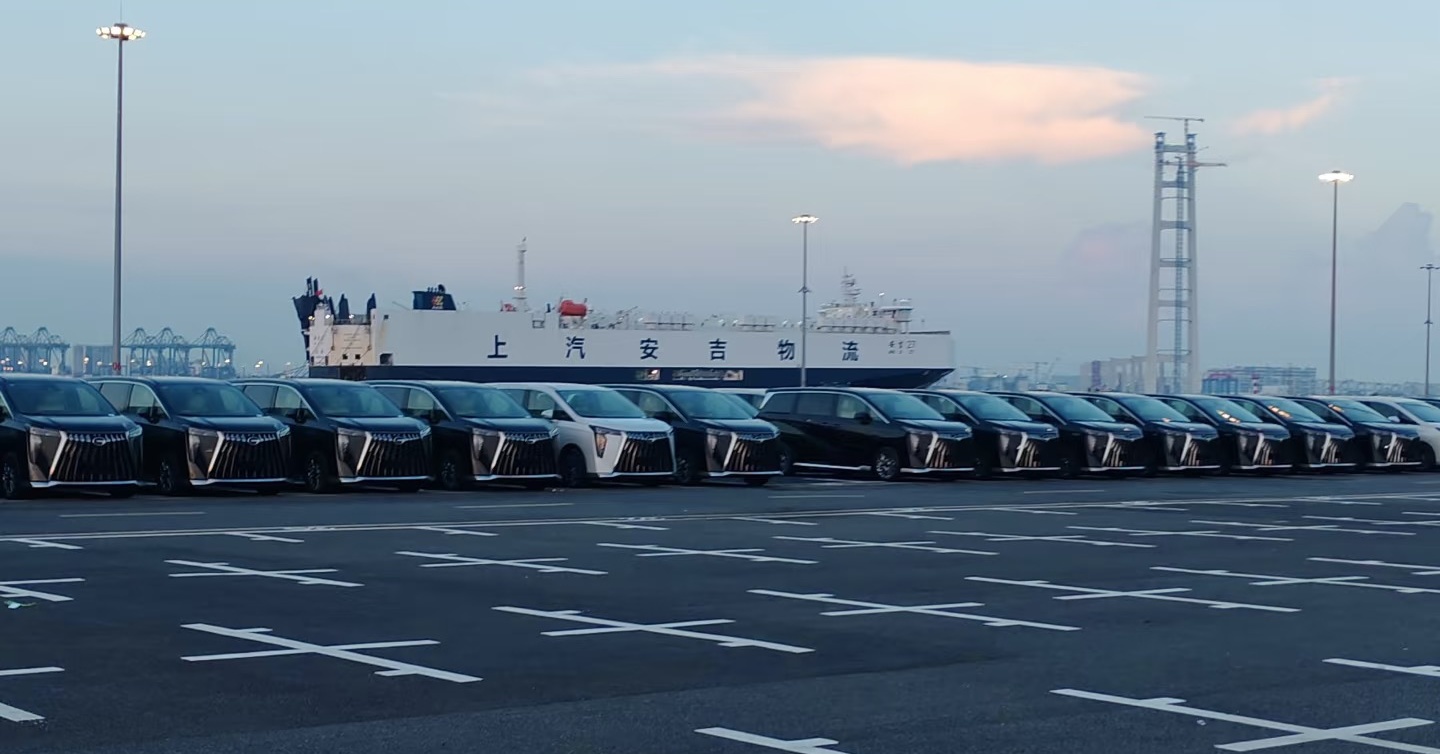
3.4 Full Document Consistency
VIN code, model, year and color must fully match declaration and BL records. Any inconsistency will lead to destination customs clearance failure.
3.5 Cargo Damage Prevention
Full marine insurance and professional lashing procedures are essential to avoid vehicle damage caused by ocean wave turbulence during long voyages.
- Ro-Ro VS Container Shipping Advantages
- Better exterior protection: No lifting scratches or extrusion damage;
- Higher efficiency: Fixed frequent schedules support large-volume fast delivery;
- Higher compliance: Ventilated cabins improve NEV shipping safety and inspection pass rate;
- Lower cost: More cost-effective for bulk vehicle export orders.
- Reliable Ro-Ro Export Service | Sichuan Jiayihao International Trade Co.,Ltd
Sichuan Jiayihao International Trade Co.,Ltd cooperates with top shipping lines and major Chinese Ro-Ro terminals, covering mainstream global routes including North Africa, Africa, Middle East, Southeast Asia and South America, including Algeria Port of Annaba.
Professional services for global dealers:
- Priority cabin booking and stable schedule guarantee;
- Standard vehicle pre-inspection and port-compliant preparation;
- 100% verifiable compliant documents for smooth global customs clearance;
- Professional lashing technology and full marine insurance for damage-free delivery;
- Full-process logistics tracking and one-stop after-sales support.
With standardized Ro-Ro workflow and strict risk control systems, we help global auto importers reduce logistics costs, avoid port penalties and achieve long-term stable and profitable vehicle export business.