
Transmission is one of the core components of a vehicle. It directly affects driving comfort, fuel economy, maintenance cost and driving experience. For individual car buyers and global auto distributors, understanding the difference between manual and automatic transmissions is essential for making the right purchase and stocking decisions.
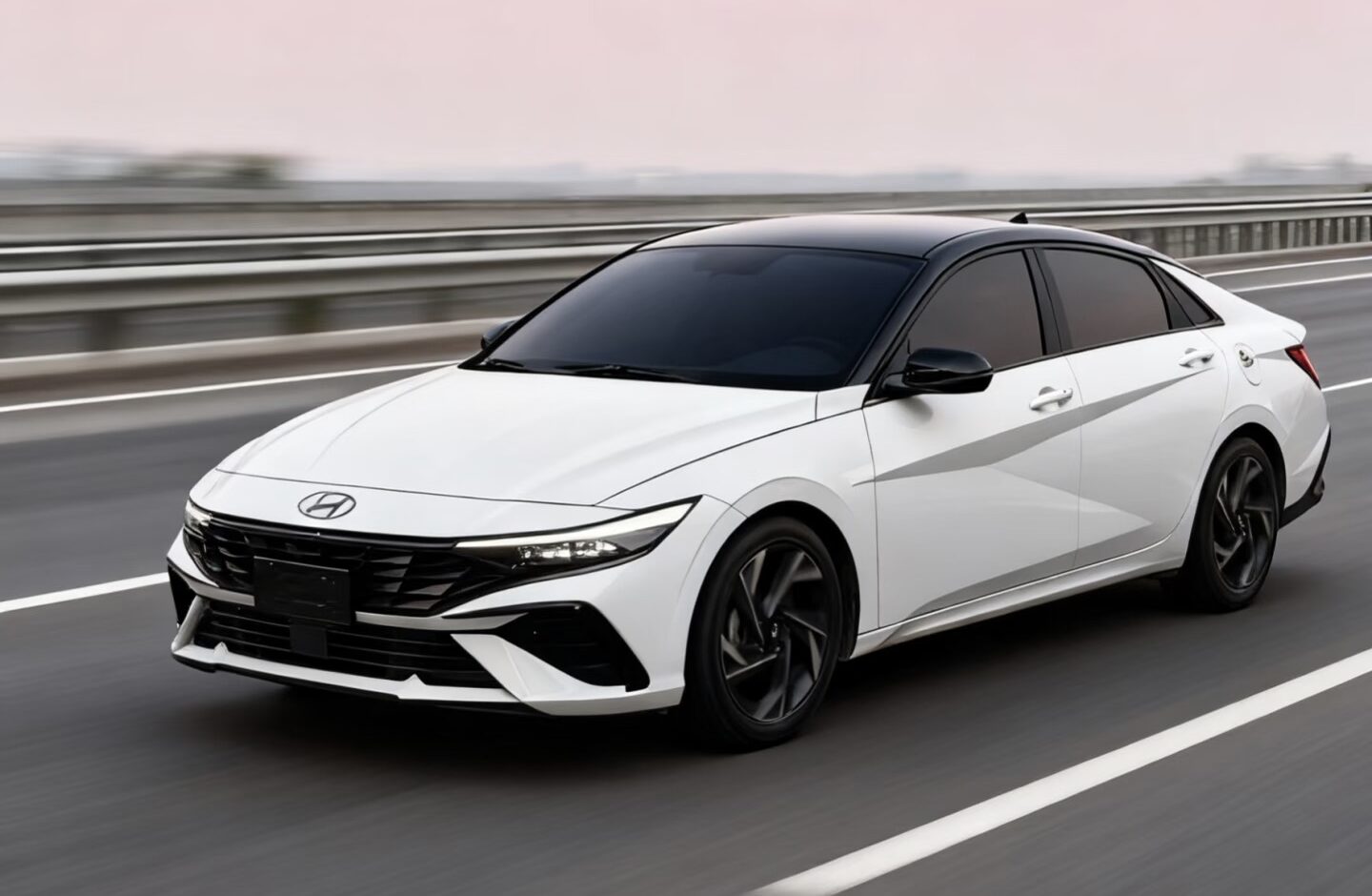
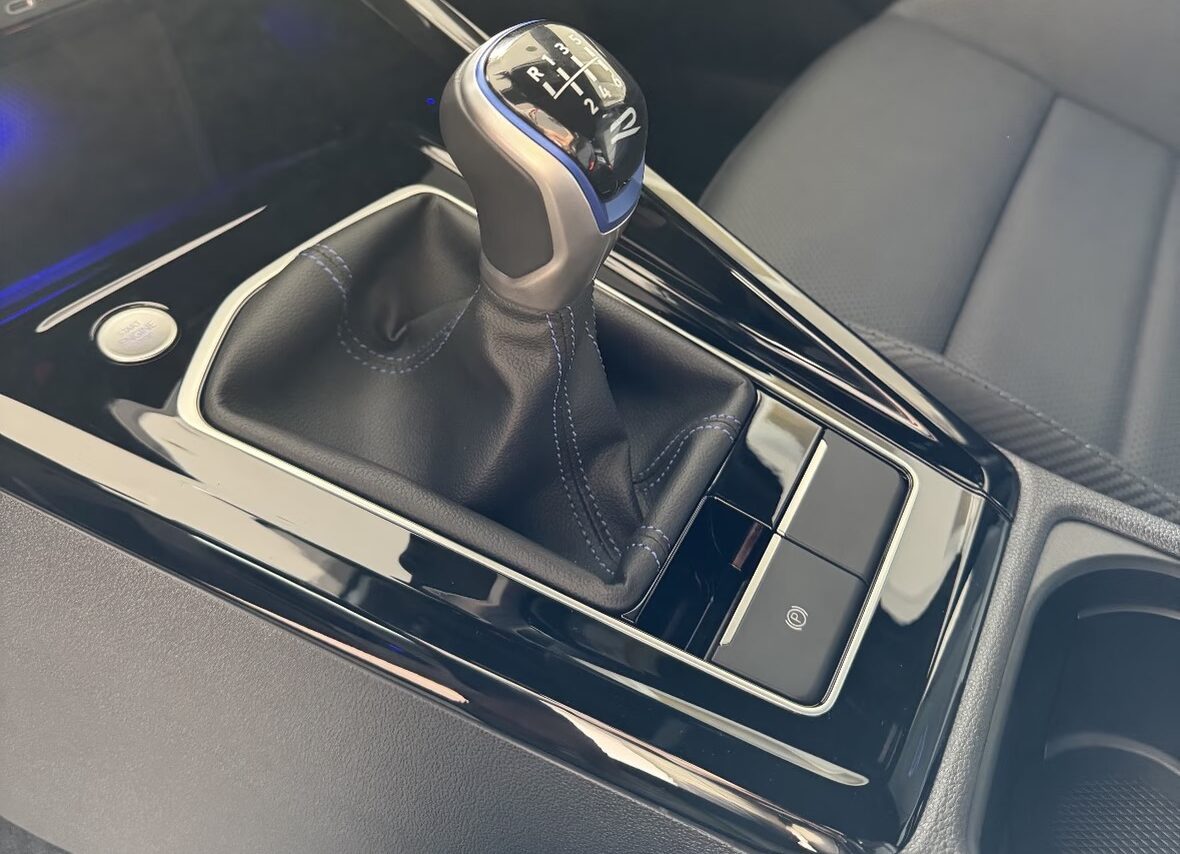
What Is Manual Transmission (MT)
A manual transmission requires the driver to shift gears manually with a gear lever and clutch pedal. It is the most traditional and mature transmission structure in the automotive industry.
Core Advantages
- Extremely stable and durable, fewer internal parts, ultra-low failure rate
- Simple structure, easy repair, cheap spare parts, low maintenance cost
- Better fuel control under skilled operation
- Higher torque output efficiency, suitable for commercial vehicles and high-load use
Suitable Scenarios
Ideal for commercial fleets, pickup trucks, entry-level family cars, and regions with rough road conditions and simple after-sales infrastructure. It is also the top choice for dealers pursuing “zero failure and low after-sales pressure”.
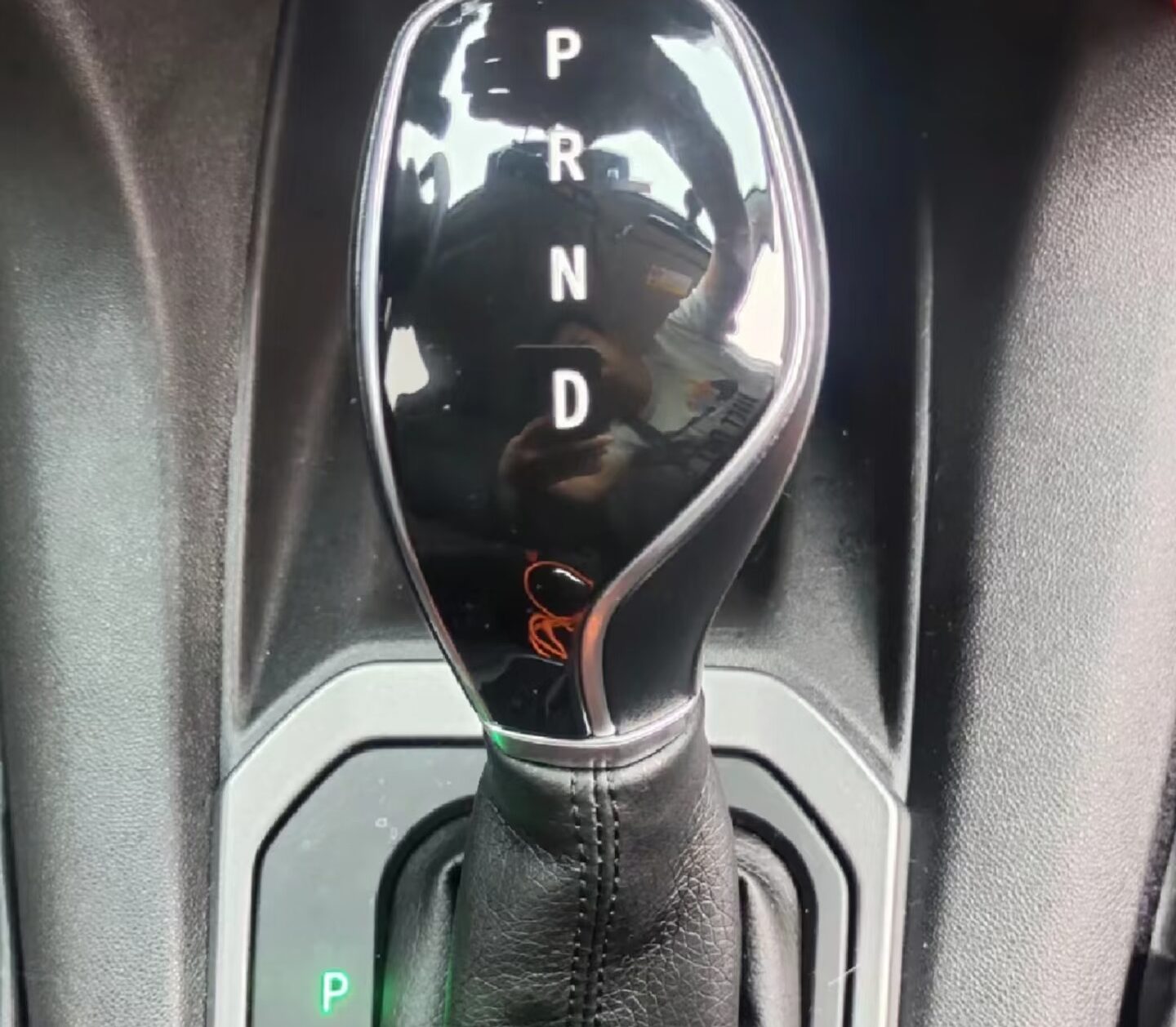
What Is Automatic Transmission (AT)
Automatic transmission shifts gears automatically through vehicle computer control, without manual clutch operation. It simplifies driving operations and greatly improves driving comfort.
Core Advantages
- Effortless driving, suitable for urban congestion and long-distance driving
- Smoother gear shifting, better riding experience
- Lower driving threshold, friendly for novice drivers and family users
- Higher vehicle intelligence, more in line with modern consumer trends
Suitable Scenarios
Perfect for urban daily commuting, family travel, high-end passenger cars and user groups pursuing comfortable driving experience. It has higher market premium and customer acceptance in developed markets.
MT vs AT: Full Comparison
Driving Difficulty
- MT: Requires driving skills, more operating steps
- AT: Simple operation, easy to drive
Reliability & Failure Rate
- MT: Super reliable, almost maintenance-free
- AT: More electronic components, regular oil replacement required
Maintenance Cost
- MT: Very low, cheap repair
- AT: Moderate daily maintenance cost
Fuel Economy
- MT: Slightly more fuel-efficient in skilled hands
- AT: Modern AT technology has reached equal fuel consumption level
Market Popularity
- MT: Dominates commercial and entry-level markets
- AT: Dominates private family car markets
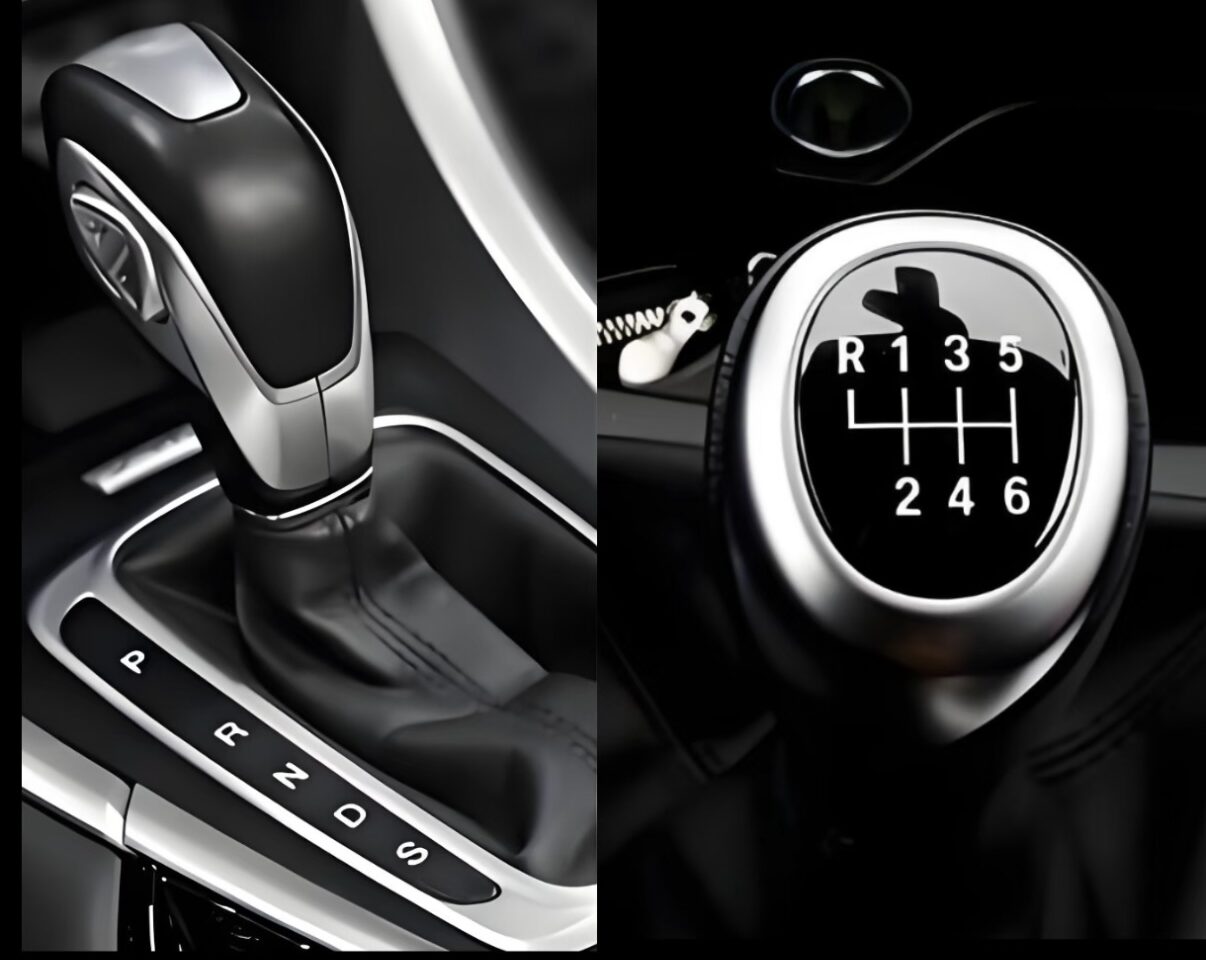
How to Choose Correctly
For Individual Buyers
- If you value easy driving, comfort and safety for family daily use → Choose Automatic
- If you need commercial use, high mileage, low maintenance cost → Choose Manual
For Global Dealers
- Stock AT models for urban retail, high-end passenger car markets, and young individual buyers
- Stock MT models for commercial markets, fleet orders, rural markets and cost-sensitive customers
Final Conclusion
There is no absolute “better” between manual and automatic transmissions. Each has its unique positioning and irreplaceable market value.
Automatic transmission represents comfort and modern lifestyle, while manual transmission represents durability, practicability and ultra-low usage cost.