
The engine is known as the heart of an automobile, and engine oil is the blood of this heart. Many car owners only remember to refuel, yet overlook the importance of engine oil. Whether you are a private car owner or an overseas auto dealer, understanding basic knowledge of engine oil helps extend vehicle service life and reduce breakdown risks.

Core functions of engine oil
Lubrication
Form an oil film between metal parts to reduce friction and wear when high‑speed components rub against each other.
Cooling
Take away part of the heat generated by engine friction, assisting the cooling system for temperature control.
Cleaning
Suspend carbon deposits and metal debris, preventing dirt from clogging engine internal passages.
Sealing
Fill tiny gaps between piston and cylinder wall, improve combustion efficiency.
Anti‑corrosion & rust prevention
Protect internal metal components from oxidation and corrosive substances.
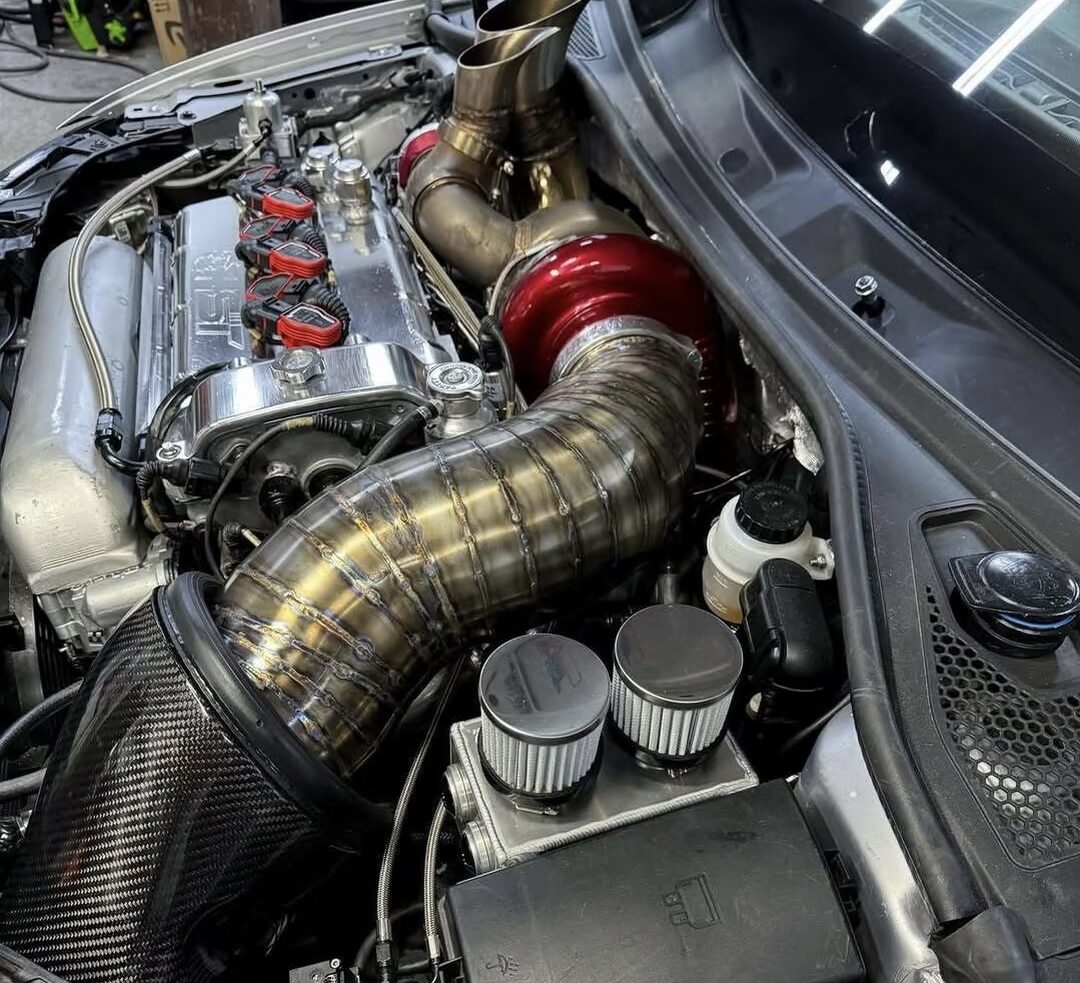
Main classifications of engine oil
Mineral oil
Refined from crude oil. Low price, but molecular structure is unstable. It will degrade faster under high temperature. Recommended replacement cycle is relatively short.
Semi‑synthetic oil
Blend of mineral oil and synthetic base oil. Balances cost and performance, intermediate service cycle, widely used in entry‑level vehicles.
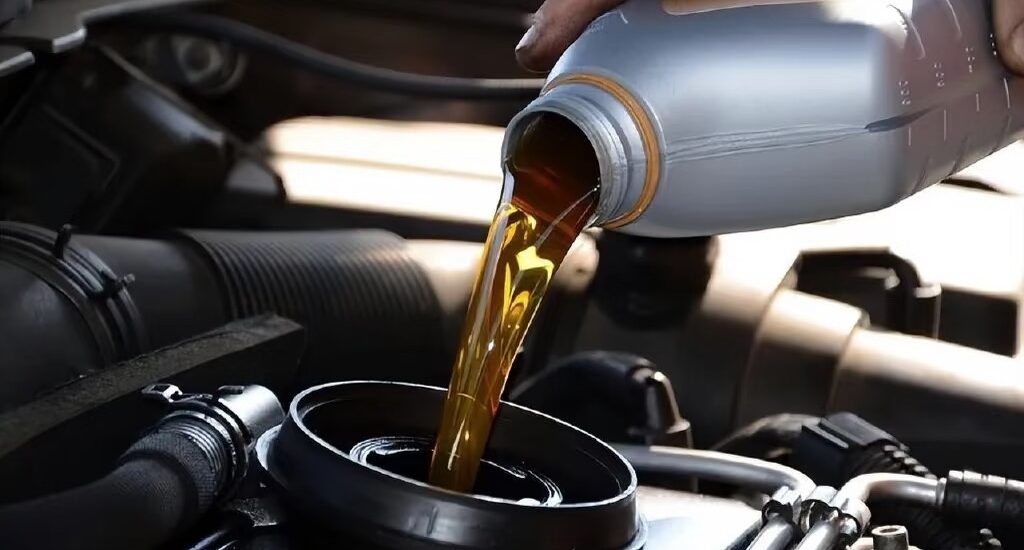
Full‑synthetic oil
Artificially synthesized base oil. Stable performance under high or low temperature, anti‑aging ability strong. Longer service interval, suitable for high‑performance engines, turbocharged cars and new energy hybrid vehicles.
Decoding oil viscosity mark, e.g. 5W‑30
The number before W: represents low‑temperature performance. Lower number means better cold‑start performance in cold weather.
The number after the dash: high‑temperature viscosity. Higher value means thicker oil film under high‑temperature working condition.
Replacement cycle reference
- Mineral oil: 5,000 km / 6 months
- Semi‑synthetic oil: 7,500 km / 8 months
- Full‑synthetic oil: 10,000 km / 12 monthsPractical advice
For individual car owners
Check engine‑oil level regularly via the dipstick. Maintain oil level between MAX and MIN scale. Do not run the engine with insufficient oil, which will cause permanent engine damage.
For overseas auto dealers
When doing pre‑shipment inspection for stock vehicles, check oil quality and oil level. Replace engine oil if needed. Good pre‑sale maintenance reduces after‑sales complaints from end customers.
Closing
Engine oil is simple but critical. Correct selection and timely replacement can greatly prolong engine service life.
As a professional auto‑export enterprise, we strictly complete pre‑delivery inspection and maintenance for all exported vehicles, delivering well‑conditioned cars for global individual buyers and cooperative dealers.