
EV power batteries are classified as Class 9 dangerous goods. Cross-border export must comply with China customs supervision, global dangerous goods transport codes, China export control policies and market access regulations of destination countries. Sichuan Jiayihao International Trade Co.,Ltd specializes in international trade of new energy batteries. We help exporters build a complete compliance framework to avoid cargo detention, customs clearance rejection and heavy penalties.
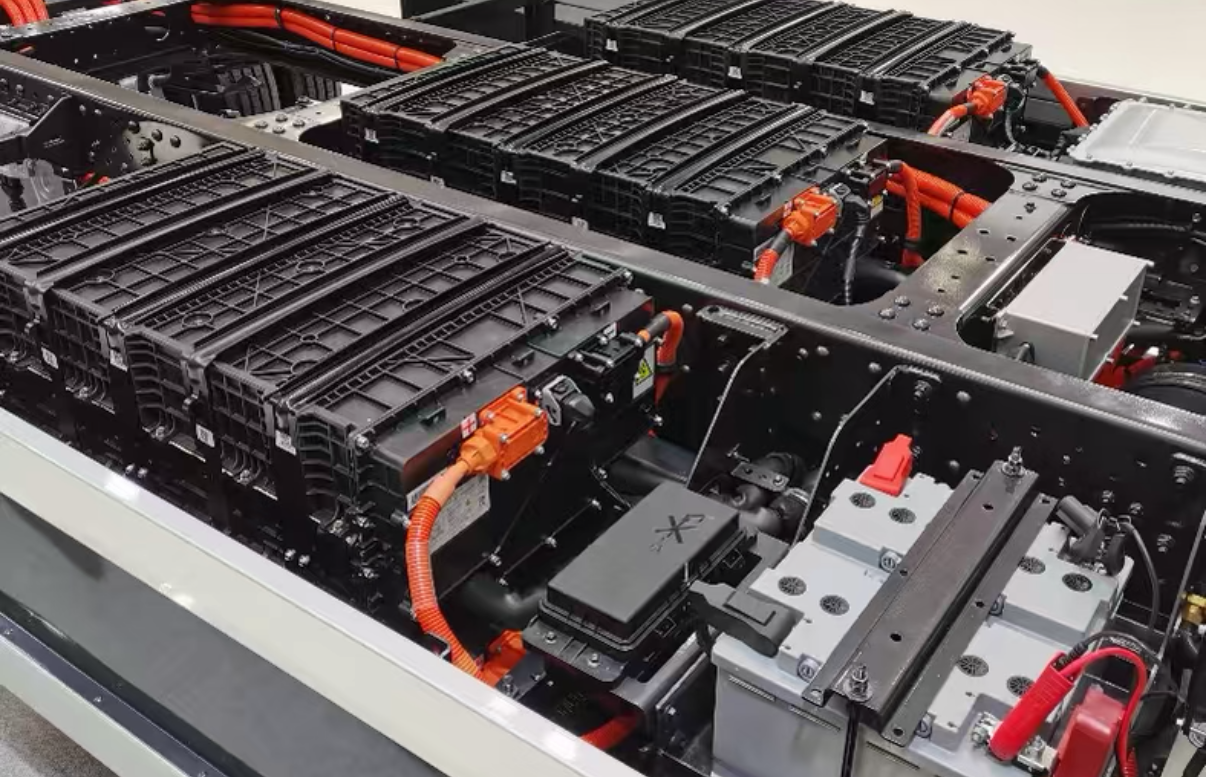
- Pre-export Compliance in China
- Export Control License: Lithium-ion power batteries with energy density ≥300Wh/kg require an export permit issued by Ministry of Commerce. LFP batteries and conventional NMC batteries are generally not subject to export control, but still need all dangerous goods transport documents.
- UN38.3 Test Report: EV batteries or cells must pass the full UN38.3 safety test suite: altitude simulation, thermal cycling, vibration, shock, external short circuit, crush, overcharge and forced discharge. Reports shall be issued by accredited CMA/CNAS laboratories. UN38.3 is mandatory for sea, air and road shipment.
- MSDS (Material Safety Data Sheet): Covers chemical composition, hazard classification, emergency response and handling requirements. Carriers and customs authorities worldwide will inspect MSDS.
- Dangerous Goods Packaging Certificate: For standalone packed EV batteries, packaging must pass performance test and subsequent usage inspection to obtain the packaging certificate before customs declaration. Batteries mounted on complete vehicles may qualify for exemption, subject to China customs confirmation.
- Customs Declaration & DG Notification: EV lithium batteries are declared under UN3480 / UN3481. Sea freight requires IMDG dangerous goods declaration. Air shipment follows IATA DGR rules. State of Charge (SOC) for sea transport is normally kept between 20% and 50% to mitigate thermal runaway risk.
- International Transport Compliance Standards
- Ocean Freight: IMDG Code: Class 9 dangerous goods. Lithium battery hazard labels are required. Packaging must prevent short circuit, mechanical damage and ensure insulation. Containers must follow segregation and temperature control rules. Updated IMDG rules impose stricter requirements on SOC declaration and packaging strength.
- Air Freight: IATA DGR: More stringent limits on SOC, package weight and piece quantity. Air transport identification report is mandatory. Many airlines restrict acceptance of high-capacity EV battery shipments.
- Road Freight: ADR (Europe): For cross-border road delivery to EU inland countries, shipments must comply with ADR dangerous goods rules, including transport paperwork, vehicle marking and emergency equipment.
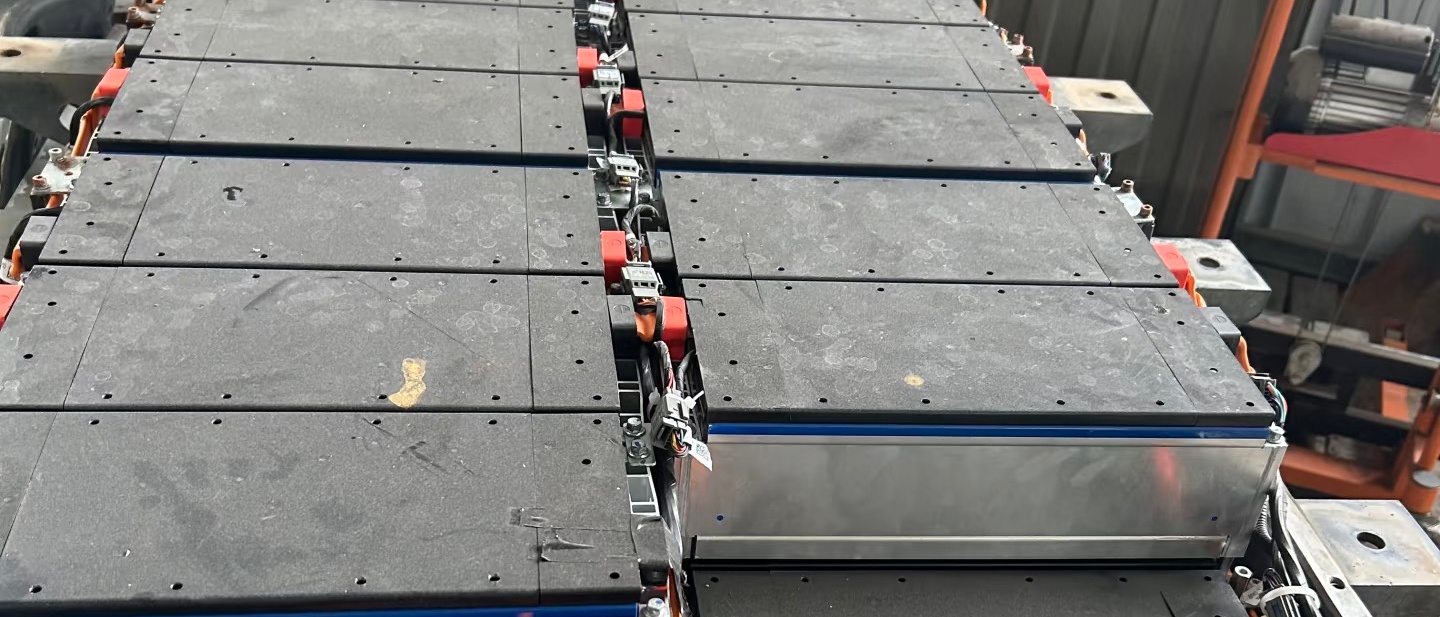
- Market Access Rules for Key Regions
European Union
EU Battery Regulation (EU 2023/1542) is rolled out in phases. EV batteries need carbon footprint declaration, raw material supply chain due diligence and minimum recycled content. Digital Battery Passport with QR code recording full lifecycle data will be mandatory from 2027. Additional requirements include CE marking, RoHS, REACH SVHC and EPR registration. ECE R100 is the mandatory safety standard for on-board EV batteries.
United States
UL2580 for EV battery safety, FCC for EMC, California Proposition 65 for chemical warning statements. US customs will verify UN38.3 and MSDS. US DOT enforces separate lithium battery rules for sea and land transport.
Southeast Asia
Mandatory certifications such as SIRIM (Malaysia), KC (South Korea), PSE (Japan). Hazard labels and documentation requirements vary widely among Southeast Asian nations, so pre-shipment review is recommended.
- Common Export Compliance Risks
- Misdeclaring dangerous batteries as general cargo: leads to cargo detention, heavy fines and carrier compensation claims.
- Expired or model-mismatched UN38.3 reports: carriers will reject shipment.
- Excessive SOC, damaged packaging or uninsulated terminals: cargo detained at port inspection.
- Missing carbon footprint assessment or Battery Passport preparation for EU market: cannot clear customs after 2027.
- Missing export permit for high energy density batteries: customs declaration blocked.
- Service Reminder from Sichuan Jiayihao International Trade Co.,Ltd
Sichuan Jiayihao International Trade Co.,Ltd provides EV battery export compliance consultation, document review, dangerous goods transport planning and multi-country regulation assessment. We help foreign trade clients identify compliance issues in advance, stabilize overseas battery shipments and reduce cross-border trade risks.