
In recent years, China’s automobile exports have achieved leap‑forward growth and ranked first in global auto export volume for consecutive years, with new‑energy vehicles acting as the core growth driver. Many overseas buyers and auto foreign‑trade practitioners are wondering: what really fuels China’s surging auto exports? Is it merely price advantage, or comprehensive strength built on a complete industrial system? As a professional vehicle‑export service provider, Sichuan Jiayihao International Trade Co.,Ltd, based on real‑world foreign‑trade practice, breaks down the core underlying logic behind China’s auto globalization.
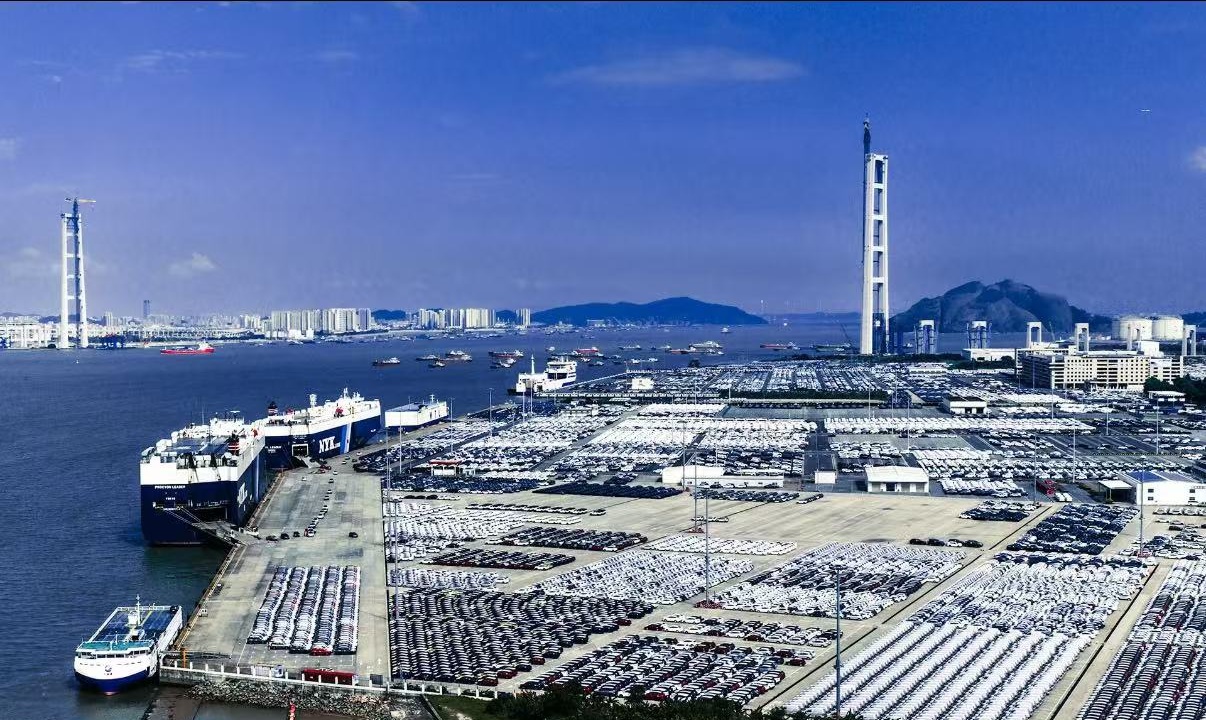
- Complete industrial cluster creates cost and efficiency advantages
China possesses the world’s most complete automotive industrial chain, covering power batteries, auto electronics, spare‑parts supply and complete‑vehicle manufacturing. Upstream and downstream industries are highly concentrated with high local component supporting rates. Massive domestic market scale brings economies of scale, lowering R&D and production costs.
Rather than simple low‑price competition, this industrial‑chain advantage enables Chinese automakers to deliver richer configurations at competitive price points while maintaining sound profit margins. Whether for fuel‑powered or new‑energy vehicles, strong supply‑chain coordination enables fast model iteration and quick adaptation to diverse regional demands across the globe — an industrial edge hard for other countries to replicate in short term. Leveraging mature domestic supply‑chain resources, Sichuan Jiayihao International Trade Co.,Ltd provides complete‑vehicle export solutions tailored to regulations of different countries for global clients.
- Dual strengths of electrification and intelligence break the low‑end stereotype
In the past, overseas markets associated Chinese cars mainly with cost‑performance. Today, electrification and intelligence have become key weapons for Chinese automobiles to win global markets.
In new‑energy vehicle sector, Chinese manufacturers have made rapid progress in three‑electric systems, smart cockpits, fast‑charging technology and driver‑assistance systems. Within the same budget range, Chinese export models offer superior intelligent features, which is a major attraction for overseas consumers. More and more Chinese vehicles are moving beyond entry‑level segments, entering mid‑to‑high‑end markets in Europe, the Middle East and Southeast Asia, with rising average export unit price. China’s auto exports have shifted from “selling cheap cars” to “selling technically advanced vehicles”.
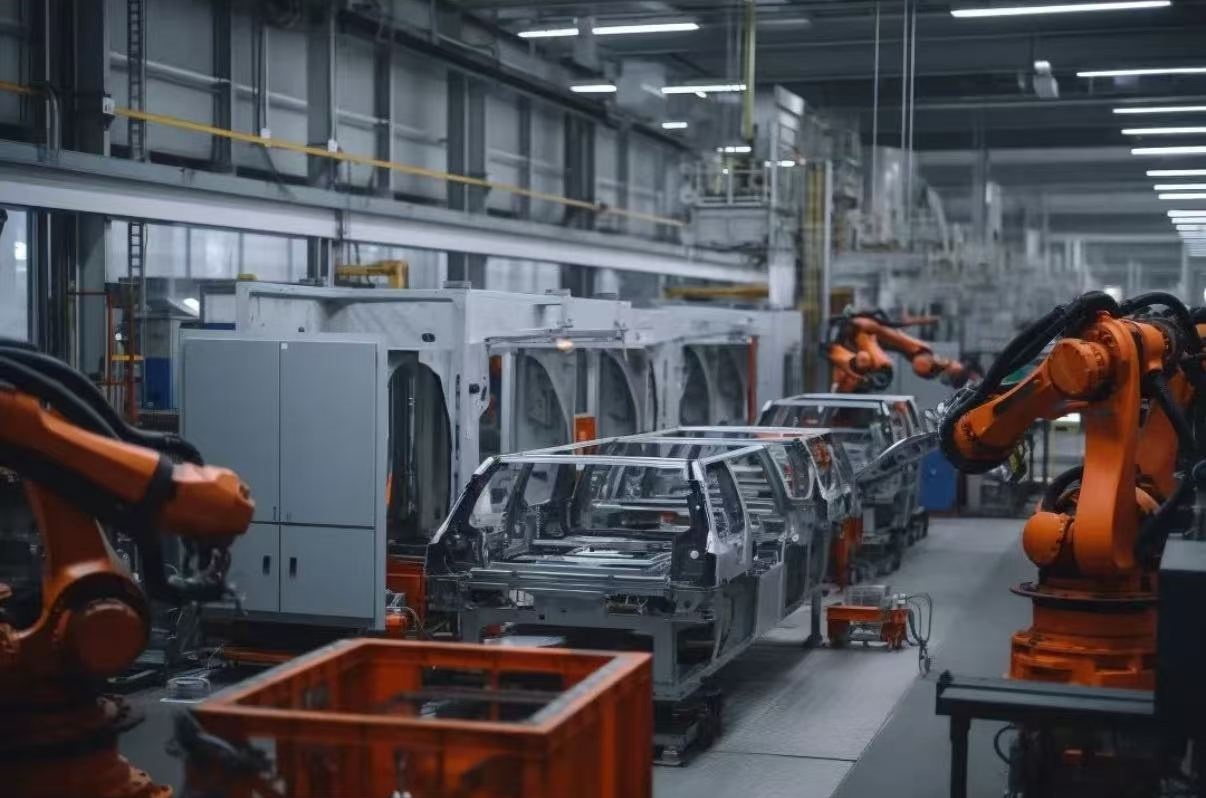
- Diversified global market layout mitigates trade risks
Early‑stage Chinese auto exports relied heavily on a small number of markets with weak risk‑resistance. Today, the landscape has changed dramatically. Instead of betting on single markets, Chinese exporters build diversified market portfolios: consolidating traditional strongholds in Southeast Asia, the Middle East and Russia, while exploring new growth markets in Latin America, Central Asia and Oceania.
Different regions feature distinct road conditions, climates, regulations and consumer preferences. Automakers conduct targeted model adaptation, certification modification and local after‑sales support. Diversified market distribution effectively offsets shocks caused by tariff barriers and policy shifts in individual countries, sustaining steady export expansion.
- Fierce domestic competition builds global‑ready capabilities
Intense competition in China’s domestic auto market pushes local manufacturers to continuously upgrade products, optimize services and strengthen R&D capacity. Full‑fledged domestic competition hones automakers’ capabilities in rapid iteration, cost control and user‑demand insight. These strengths are then transferred to overseas markets and form powerful export competitiveness.
Meanwhile, foreign‑trade service providers keep improving supporting services: customs declaration, inspection, ro‑ro shipping, overseas certification, dealer‑channel development and after‑sales setup. This sound supporting ecosystem safeguards whole‑vehicle overseas expansion. Sichuan Jiayihao International Trade Co.,Ltd, focusing on auto export business, helps global dealers source quality Chinese vehicles and resolve pain‑points including certification, logistics and compliance.
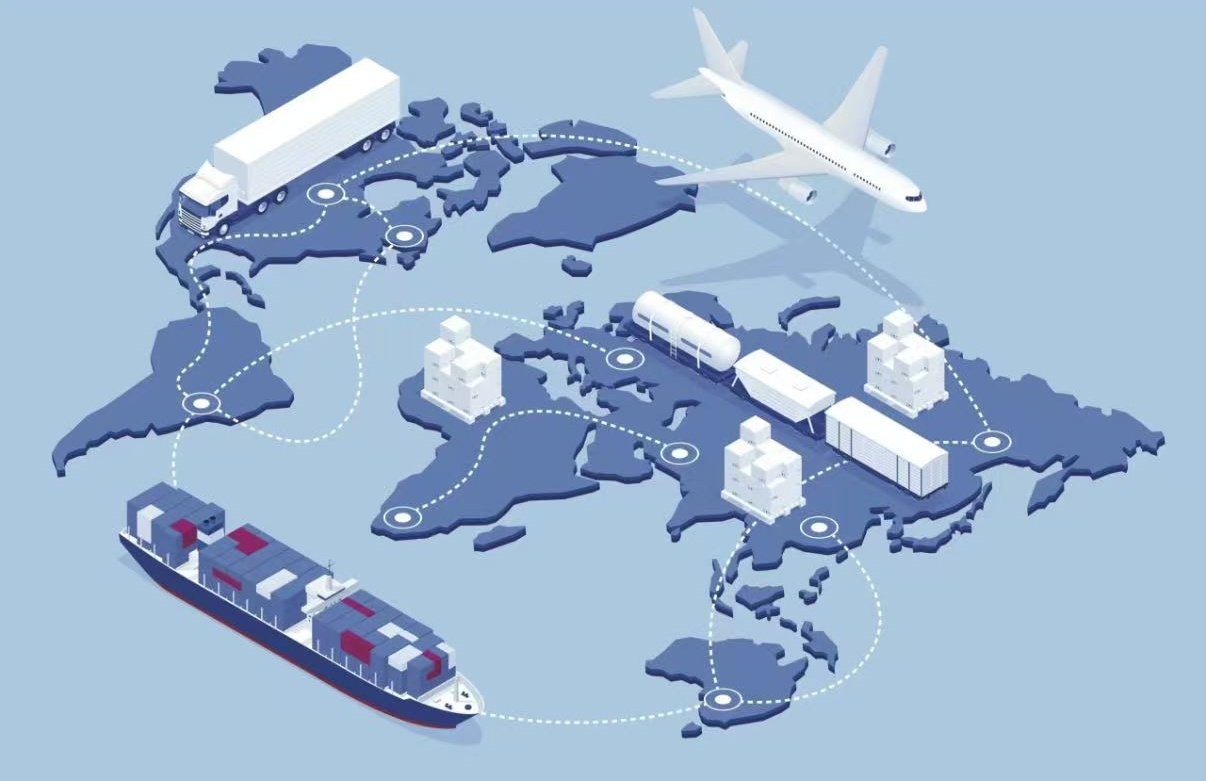
- Restructuring of global auto industry brings historic opportunities
The global automotive industry is undergoing electrification transformation. Traditional European, American, Japanese and Korean automakers face relatively slower transition paces, creating valuable market windows for Chinese automobiles. Rising global demand for new‑energy vehicles and growing consumer acceptance of EVs deliver favorable external conditions for China’s auto‑export boom.
Nevertheless, opportunities come with challenges: local trade barriers, regulatory certification requirements, overseas after‑sales system construction and brand localization remain major hurdles for auto‑export enterprises.
In summary, China’s booming auto exports stem not from one single factor, but from combined underlying drivers: complete industrial chains, technological product upgrades, diversified market layout, capabilities forged in domestic competition, and global industrial transformation. For overseas buyers and auto‑trade professionals, understanding these fundamentals is critical to seize opportunities brought by China’s auto‑globalization.