
The transmission serves as the bridge between engine power and wheels. It adjusts torque and speed output, enabling vehicles to accelerate, cruise and reverse. Different transmission types deliver huge gaps in driving feel, reliability, maintenance cost. It is essential knowledge for individual consumers and overseas auto dealers.

MT Manual Transmission Structure: Mechanical gear sets, operated by clutch pedal and manual gear lever.
Pros: Direct power transmission, high efficiency, low manufacturing and repair cost, strong modification potential.
Cons: Cumbersome operation, heavy workload in heavy traffic, requires driving skill.
Best fit: Commercial vehicles, entry‑level cars, driving enthusiasts.
AT Automatic Transmission Structure: Torque converter plus planetary gear sets, computer‑controlled gear shifting.
Pros: Mature and reliable technology, smooth shifting, strong torque bearing capacity, good adaptability for large‑displacement and heavy‑load vehicles.
Cons: Complex internal structure, higher manufacturing cost; early‑generation AT has slightly lower fuel efficiency.
CVT Continuously Variable Transmission Structure: Two variable‑diameter pulleys and steel belt / chain, no fixed gear stages. Realize stepless continuous ratio change.
Pros: Extremely smooth driving, no shift shock, good fuel‑saving performance for daily city driving.
Cons: Limited torque capacity. Fierce long‑time heavy acceleration may cause overheating protection. Not suitable for extreme high‑power heavy‑load scenarios.
DCT / Dual‑Clutch Transmission Structure: Two independent clutches, pre‑engage odd‑number and even‑number gears respectively. Fast shift action. Divided into dry‑clutch and wet‑clutch versions.
Wet DCT: Clutches work inside oil chamber; better heat dissipation, higher torque tolerance, slightly higher energy loss.
Dry DCT: Light, low cost, high efficiency; poor heat resistance, easy overheating under frequent stop‑and‑go traffic.
Pros: Ultra‑fast shifting speed, high transmission efficiency.
Cons: Dry‑clutch type may have jitter under low‑speed congested conditions. Complex fault diagnosis.
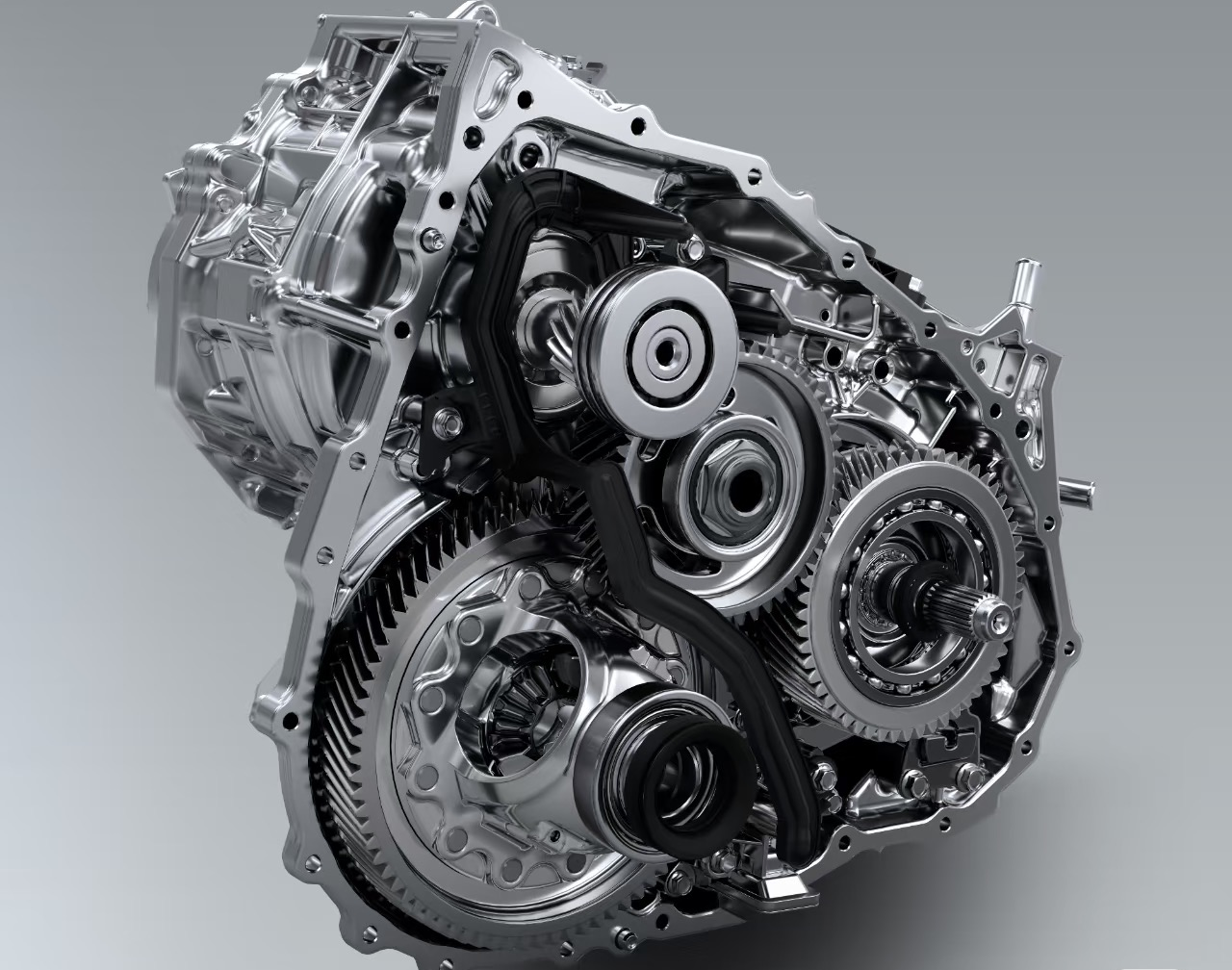
Quick comparison table MT:Low cost, high efficiency, manual operation
AT:Stable reliable, heavy‑load friendly, higher cost
CVT:Silky smooth, city‑oriented, torque limit
DCT:Fast shift, high efficiency; dry version sensitive to traffic jams
Common Misunderstandings ❌ “DCT equals bad transmission.”
Wet dual‑clutch performs well for most scenarios. Only dry‑clutch units face challenges in long‑term heavy stop‑and‑go traffic. ❌ “CVT cannot drive fast.”
CVT supports highway high‑speed cruising. The limitation lies in sustained full‑throttle heavy‑torque output.
Maintenance reminders ✅ All automatic transmissions require periodic transmission‑fluid replacement.
‑ AT: ATF special oil
‑ CVT: exclusive CVT fluid, cannot use AT oil
‑ DCT: Dedicated dual‑clutch transmission oil
No single transmission type is universally perfect. Each design makes trade‑offs among smoothness, efficiency, torque capacity and cost.
As a professional automobile export enterprise, we supply vehicles equipped with MT, AT, CVT and DCT. We match suitable models according to local usage habits for global private buyers and dealer partners.