
When choosing a vehicle, individual buyers focus on daily usability, cost and reliability, while global dealers pay more attention to market adaptability, maintenance difficulty and long-term sales potential. Understanding the essential differences between traditional fuel vehicles and new energy vehicles helps every user and business partner make smarter decisions.

Power Structure & Working Principle
Fuel Cars
Fuel vehicles rely on internal combustion engines. They burn gasoline or diesel to generate mechanical power, driving the vehicle through gearboxes, transmission shafts and mechanical assemblies.
The core feature is mature mechanical structure. All parts, maintenance systems and repair technologies have been developed for over a century. Repair shops and spare parts channels are available in almost every country and region.
EV & New Energy Cars
New energy vehicles use electric motors as the core power unit. They rely on battery packs to store energy and convert electricity into driving force. There is no complicated engine combustion system or traditional gearbox structure.
The core feature is simple structure, fewer wearing parts, intelligent control. The whole vehicle is controlled by electronic systems, supporting intelligent driving, energy recovery and multiple driving modes.
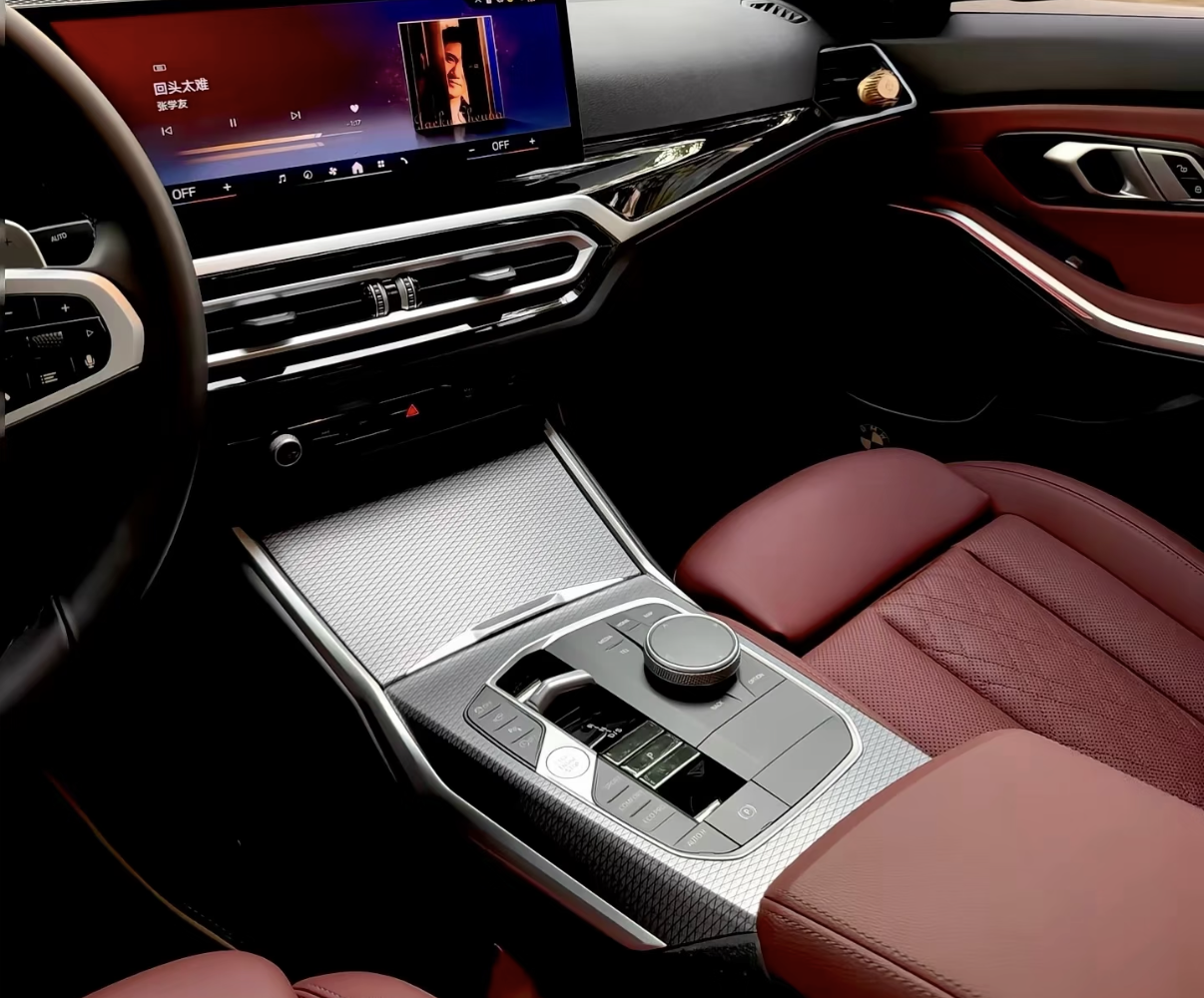
Daily Usage & Driving Experience
Fuel Cars
- Stable power output and strong adaptability to various road conditions and climates
- Sensitive acceleration feedback, suitable for long-distance driving and high-load operation
- Refueling takes only a few minutes, with zero range anxiety
EV & New Energy Cars
- Zero engine noise, smoother and quieter driving experience
- Lower vibration and more comfortable ride for family travel and city commuting
- Intelligent configuration is more complete, with richer assisted driving functions
Maintenance & After-sales Cost
Fuel Cars
Maintenance focuses on engine oil, filters, spark plugs, brake systems and transmission parts.
The advantage: maintenance shops are universal, spare parts are cheap, and repairs are fast. It is very friendly for developing markets and high-mileage users.
EV & New Energy Cars
Electric vehicles have almost no mechanical wearing parts. Routine maintenance is simple, mainly including battery detection, electronic system inspection and tire maintenance.
The advantage: low daily maintenance cost and fewer failure points. The core focus is battery health and electronic system stability.

Market Adaptability & Business Value
Fuel Vehicles
Always the mainstream choice for global traditional markets. Suitable for regions with imperfect charging infrastructure, long-distance transportation demands and high vehicle utilization rates.
For dealers, fuel cars feature fast after-sales processing, universal accessories, low customer complaint rate and stable resale value.
New Energy Vehicles
Fast-growing global trending models. Suitable for cities with complete infrastructure, environmentally friendly policy support and daily urban travel demands.
For dealers, new energy vehicles have higher profit margins, newer product competitiveness, lower daily maintenance pressure and younger customer groups.
How to Choose Correctly
- For long-distance driving, complex road conditions, high-frequency commercial use, and areas with insufficient charging infrastructure: Fuel vehicles are more practical
- For city daily commute, family daily use, low noise demand, and policy-supported green markets: New energy vehicles are more cost-effective

Final Word
Both fuel vehicles and new energy vehicles have their irreplaceable market value. There is no absolute “better” option — only the most suitable choice for local markets and usage scenarios.
As a professional auto export supplier, we provide full-series fuel vehicles and new energy vehicles with complete inspection standards, transparent vehicle conditions and stable supply for global individual buyers and cooperative dealers.